
Start Here
Five turning points that shaped my life in music

Sometimes when we bloggers get our heads down and roll out a series, dropping it consistently without fail every week, the context and back-story can get buried. Maybe you willingly follow the news that lands in your inbox but not really know who I am and how I came to be so involved in music.
Artist? Record Label? Record Collector? Curator? All of these things were shaped by years of trial, error, triumph and despair. Whenever you stay passionate and open-minded about something - whatever that may be - the conditions are there for you to be profoundly moved or influenced by something.
An epiphany, a watershed moment, a turning point. Whatever you might call it - these can be sudden, or they might be a gradual realisation. I thought I’d share my own top five personal turning points from all my years in the ‘music game’. Hopefully there won’t be any more, otherwise I’ll have to revisit this post!
VINYL
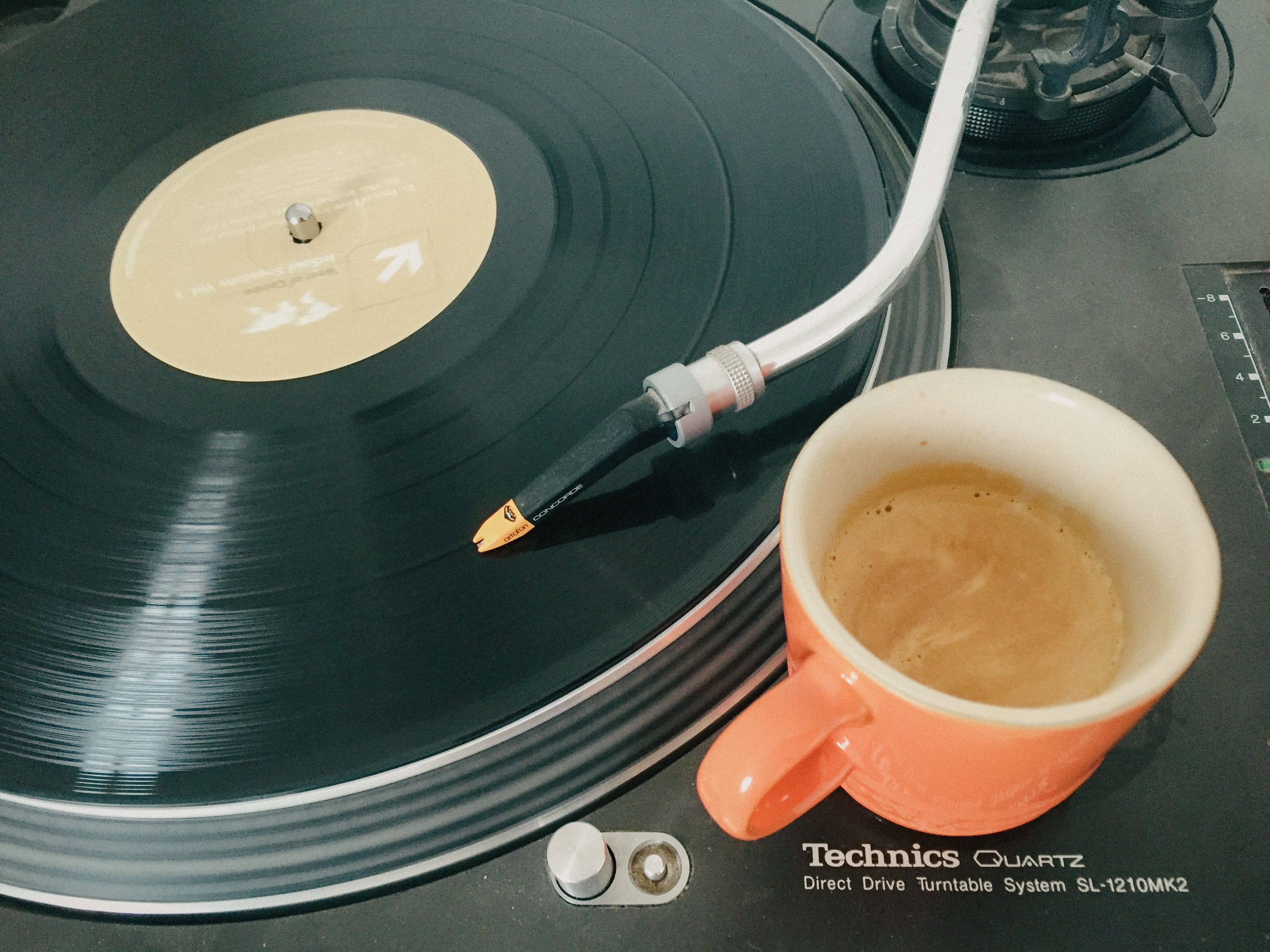
My first big turning point that led me towards getting involved in music would be in the early 2000s, when I went to a friend’s house to see his DJ set-up; a pair of Citronic vinyl turntables and a load of records. Old 70s and 80s Disco singles passed on by his Dad, loads of Tech House he’d been given by his DJ cousin and the odd Funky House 12” he’d bought himself. At that stage, I had started the DJ path via an Argos all-in-one CD mixing system that my parents bought for me at Christmas, but experiencing the tactile feel of vinyl that afternoon at my friends’ house really grabbed me. I’d struggled to mix with CDs, and it had been hard to attach to the music in the same way, through the pressing of buttons. Vinyl mixing was different - it came down to the manual pressure applied to the spinning records, striving to keep two tracks in time.
That summer my Grandad gave my brother and I some money - specifically for driving lessons. It was a quantity of money sufficient, say, to buy a set of Numark turntables complete with a mixer and headphones and it was in my bank account…I think you can guess what happened, much to the disappointment of my parents! I argued that I could learn to drive at any age, I was happy walking anyway, and that my love for music and need to learn how to DJ was far more pressing. I remember my Dad even saying that DJing was just another fad (I’d had plenty of those during childhood). But, nevertheless, the deed was done and the turntables I’d bought were in my room - although sat on the floor! I didn’t even have any furniture to actually stand them on. After my parents calmed down, they bought me a deck stand on wheels which I still have to this day, and took with me to the Woodbridge Ambient Festival (you can even see them in the final picture below!)
Now, I started to buy a lot of records! It felt as exciting as a former fad of mine - collecting Panini football stickers! I’d get the bus to Peterborough to frequent the record shops, accumulating piles of white label bootlegs which eventually became the inspiration behind Whitelabrecs. I also started to buy from online stores such as Juno, Hard To Find and Musicstack. I’d love nothing more than building up a shopping cart of records, whittling them down to the best ones, ready to hit the buy button come payday. Back then as a teenager, my taste was not for the loud, intense or trendy tracks; I favoured deep Rhodes keys, mute trumpet, deep saxophone, exotic percussion, Jazz loops, slap bass. I didn’t play gigs for a couple of years but in those early days, I really learnt a lot about curating music - how to go down the rabbit hole of discovery and how to organise my record collection. I had so many records that my Mum used to say she worried that the ceiling would collapse under the strain of their weight. When the postman arrived, she’d say “More records? You’ve already got records - what do you need more of them for?”
The rest is history of course. I have many more vinyl tales as my taste found its way beyond Dance music and I plan to post about these here on Substack every week from 2027, sharing a record from my collection. Vinyl is so important for me - it’s a special, cultural object filled with so much nostalgia. I couldn’t be without it. That said, thanks to the education of Adrian and Lynn of Evergreen Music, I’m now very aware that they’re not good for the environment. So I’m hoping the new bio vinyl and print-on-demand products that are emerging really take hold - as they sound great. These days I’m trying to make sure that I only buy the music on vinyl that I truly love - there can’t be any of those ‘it’ll be a grower’ type decisions, as there were in my DJing days. My process now is to wishlist, stream to death - and then order the records that really stay with me.
GENRE
The more I got into House music, the more I seemed to discover other weird and wonderful sub-genres too, each with their own nuances. I’d meet fellow DJs and we’d usually ask each other: “so what do you play?” And the response would be along the lines of “strictly deep jacking tech-house”. Another might say “micro fidget house”. There’d be these of-the-moment trendy styles that would shift and change all the time. Personally, I was into Deep House that focused on using real instruments; slap bass, piano, vibraphone, mellow keys... Jazz was a huge influence on my sound. So naturally, I’d also enjoy actual Jazz from time to time. Then I’d enjoy the other sorts of electronic music that had Jazz influences, from Lounge to Chillout and even some Liquid Funk Drum and Bass. Getting into all this music felt overwhelming when it came to preparing my own sets, especially once I started playing gigs. This usually led me towards playing Tech-House and Techno, the trendy sound in my town at the time, which coincidentally was easier to mix.
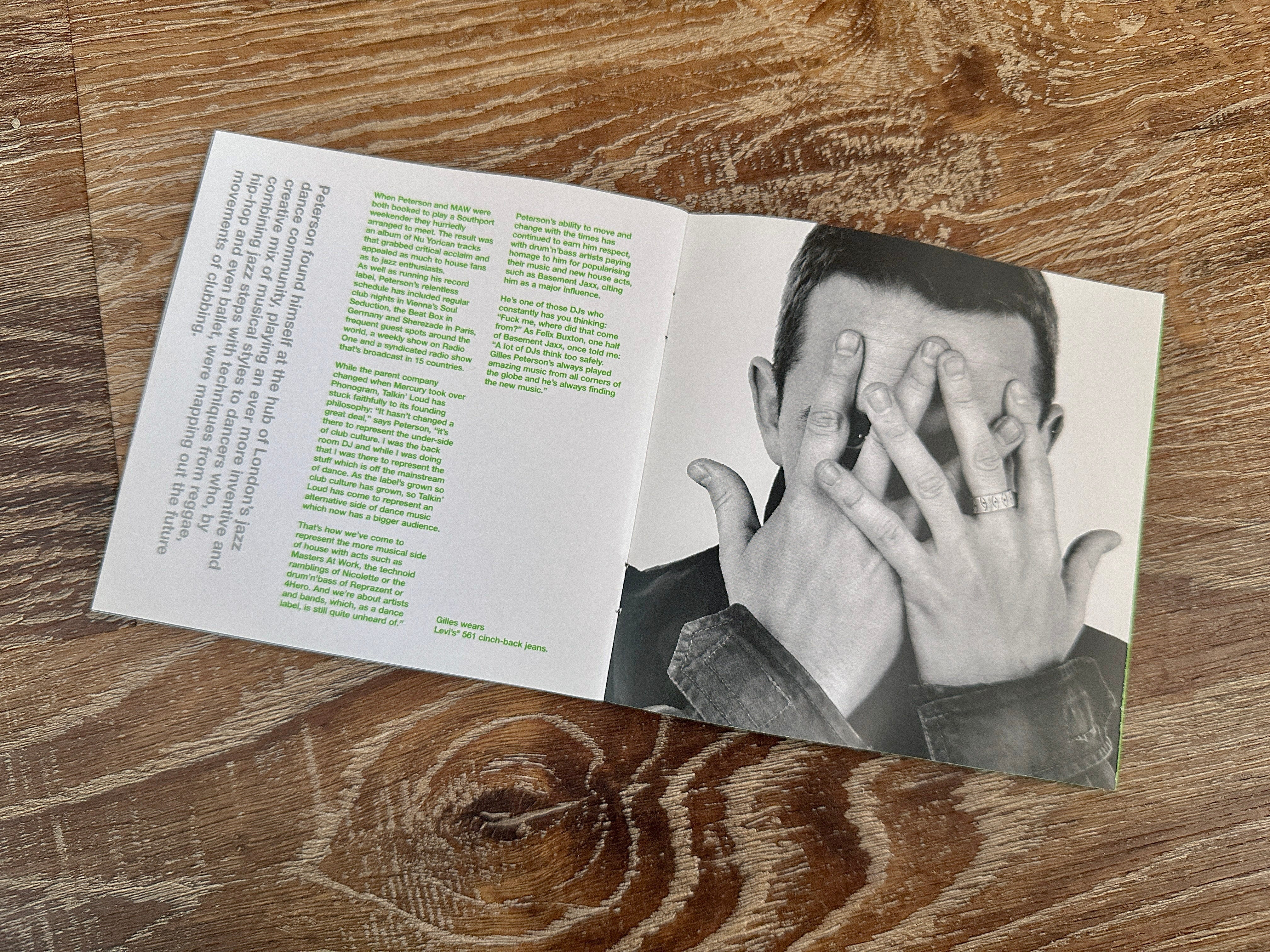
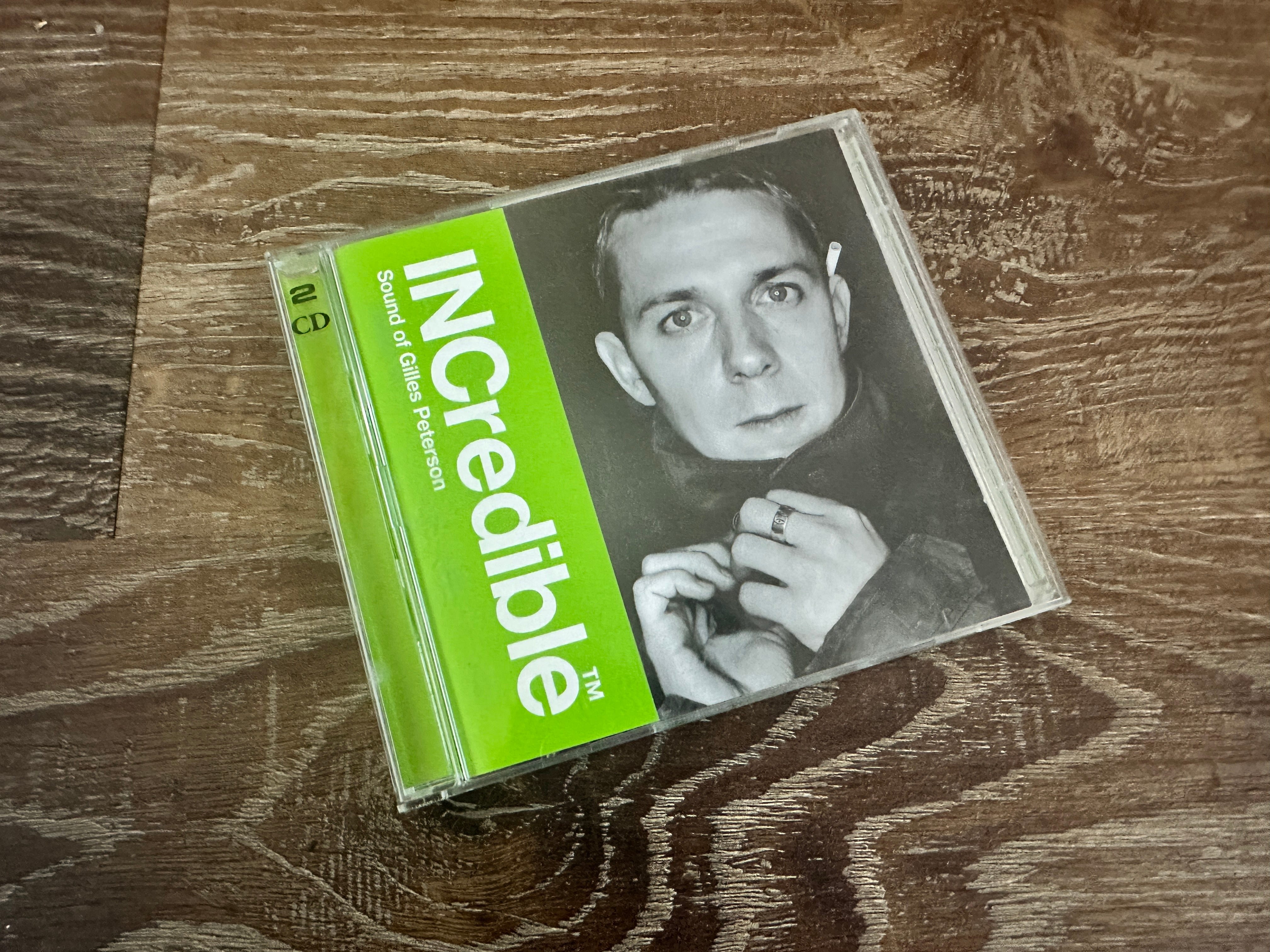
I got an office job in Stamford and used to take the bus, armed with a discman, earbuds and a record bag full of CDs. There was a record shop I’d visit at lunch where I’d spend much of my wages on CDs. Fabric mixes were regular sources to learn about different artists to follow. But a big eureka moment for me was discovering a compilation by Gilles Peterson called INCredible Sound Of Gilles Peterson, within which there seemed to be absolutely no set genre. Nothing on the CD to indicate it - just disparate artists in the line-up who were from various different scenes. Garage. Funk. Deep House. Hip Hop. Jazz. I noticed how Gilles hard carved out a career as a well known DJ yet he did not seem to care about being pigeon holed into a particular sound. That felt so reassuring to me as a young DJ, wrestling with trying to settle on a sonic identity. I suddenly wanted to be the next Gilles Peterson! It was okay to buy something certain groups of people in certain scenes might not like. It was all about curation; channelling this thirst for music that I had, as Gilles always did and still does to this day.
A couple of years later I got a gig in this awesome restaurant called The Caper in my home town, playing all kinds of colourful sounds. This came about after chatting to their resident DJ who became my mentor. His approach was just the same - anything goes - it’s all about the music. I have to say, I’ve taken this with me into my work with Ambient music. If I’m making a radio show or thinking about releasing a record, I can’t get into the mindset of being too narrow in terms of the sound. My taste is too broad and diverse to impose any limits. Sometimes I wonder if it’s a big ask of the listener to enjoy both Ambient drone and Modern Classical music, not to mention all the other curveballs I throw at them. Perhaps it might make sense to narrow into one or the other. But, what keeps me excited about the releases I curate is exploring all of these blurred lines, and embracing a diversity of sound. Hopefully the bigger the discography gets, the more these disparate pieces of the puzzle start to fit.
PATH TO AMBIENT
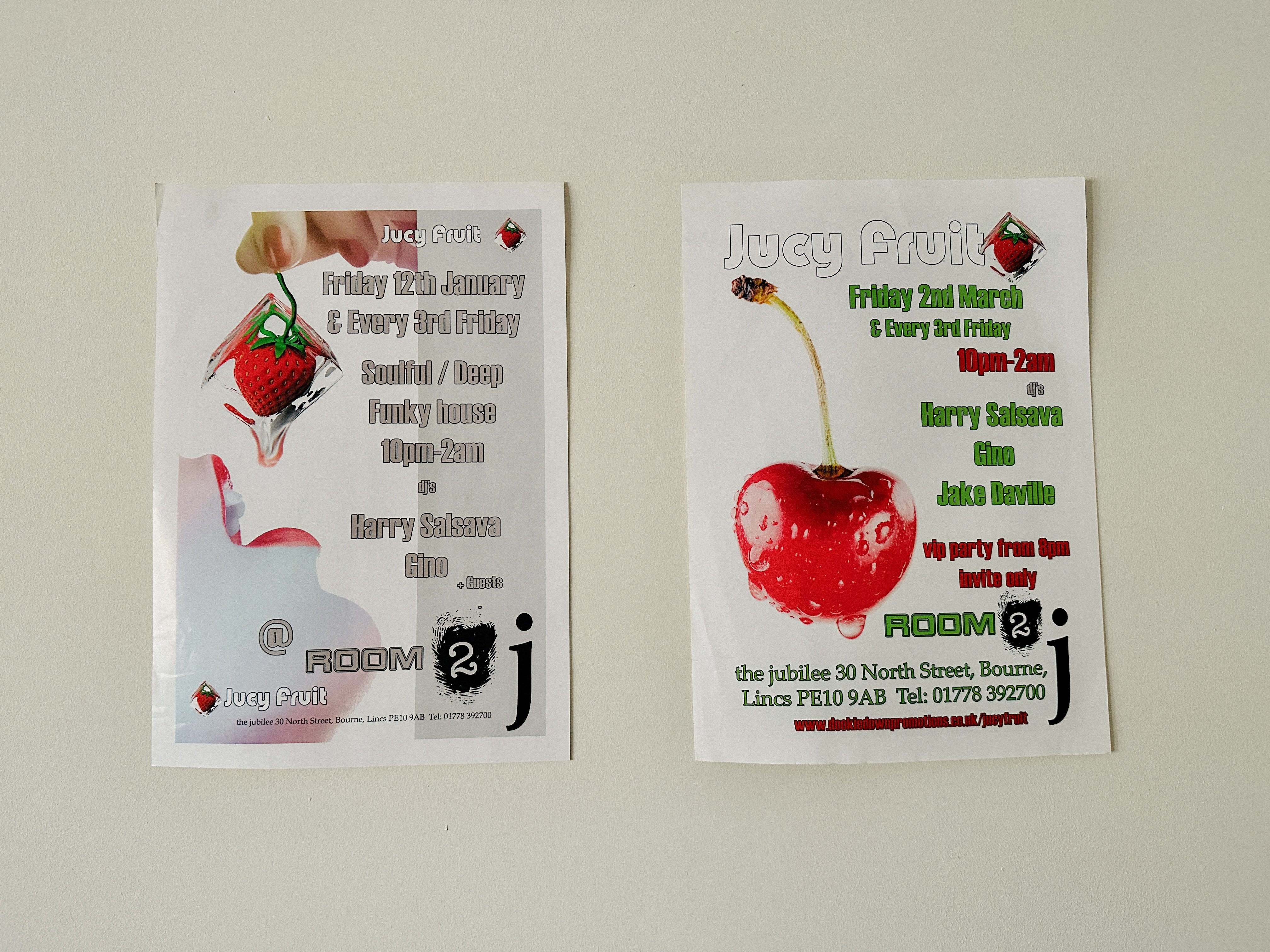
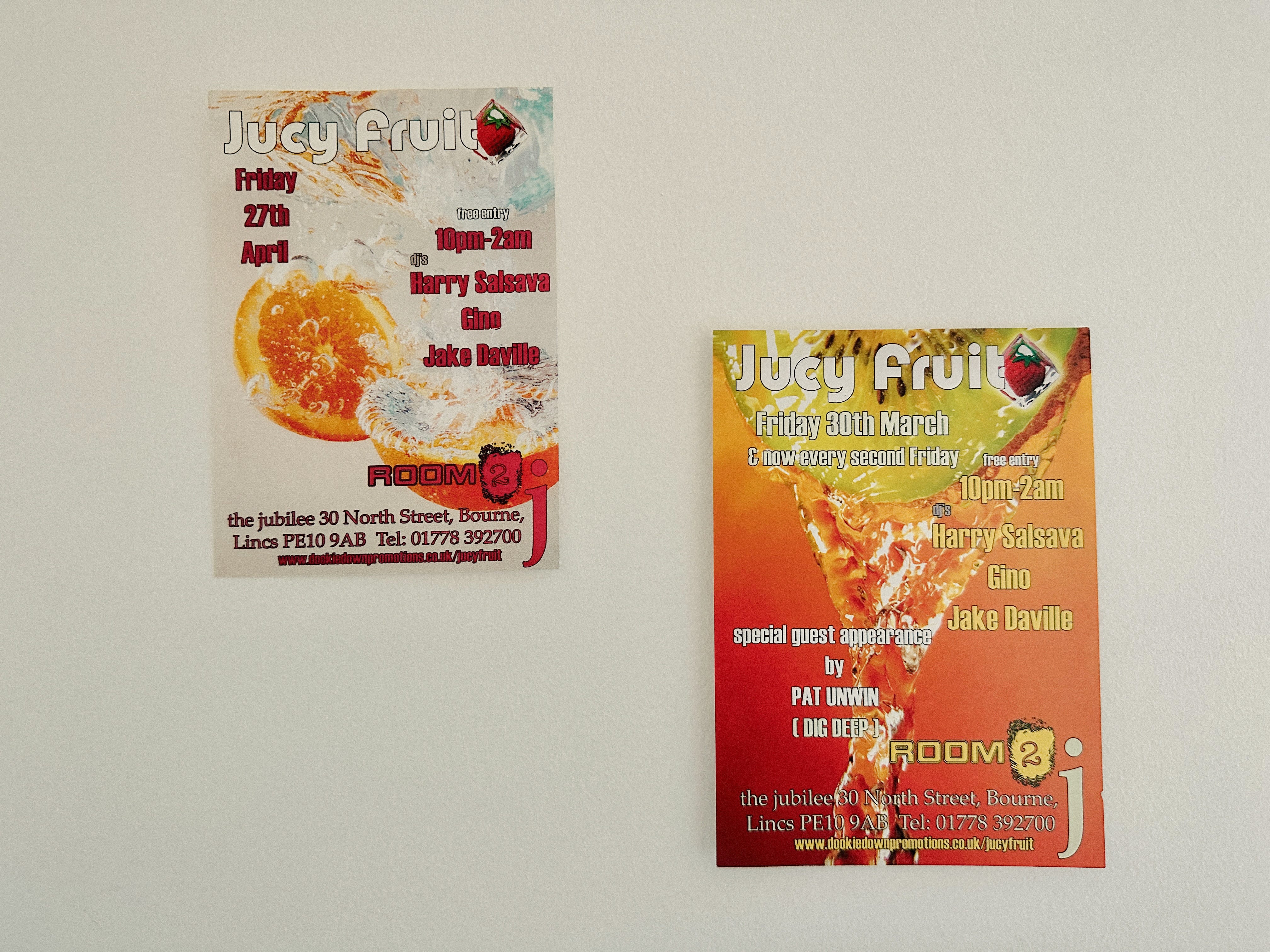
My DJ career progressed nicely at a local level, with regular gigs and even a weekly residency in my home town each Friday. This was an event we called Jucy Fruit. I’m not sure if our designer/DJ friend deliberately or accidentally spelt it wrong, but our flyers became a talking point nevertheless. This led to gigs over in Peterborough, for a night called Dig Deep where Pat the organiser would get in big-name guests such as Fred Everything, Graham Park, Nathan Coles and more. My friend Gino and I would often warm up for some of these artists and it was weird getting to meet them.
Around this time, back in 2007, I won an iPod Classic in a competition and I got given a laptop from my boss shortly after, meaning I could start loading music onto it! I’d scour iTunes for weird and wonderful records and this led to the odd download of tracks by Ambient artists like Brian Eno, Harold Budd, Steve Roach, Robert Rich and Stars of the Lid.
At our Dig Deep nights we started to play a lot more in ‘Room 2’ which had a harder, more Techno-oriented music policy. I didn’t listen to much Techno during the day but I’d always be happy to play it - it was easy to mix, and I used to love the energy it created on the dancefloor. But after a while, I’d find that when the night was done and I was lugging my heavy box of records home, my ears would be ringing intensely. I’d be exhausted, yet couldn’t sleep when I got home. I’d play some Ambient music on my iPod and it was life changing. It was exactly what I needed to soothe my head after playing such loud, intense music. I could play this music at a very low volume and it’d help me completely switch off.
For a few months I was in a complete identity crisis with my musical taste. As mentioned above, I’d been at peace for years with listening to differing styles but this time, the polar opposites of Ambient and Techno felt like too big a conflict. I felt I needed to choose between one or the other. The more I started to explore making my own Ambient music, the more I felt I needed to make a decision. In the end, Gino decided he didn’t want to do it anymore and as he was the designated driver (I still couldn’t drive…) this was the end of my DJing career.
So that kind of made the decision for me, and Ambient became my focus. I found that I was going for long walks listening to my iPod, surrounded by nature and stopping to capture my own field recordings. It was all very different to the egos and social pressures of Dance music. And, it unlocked a level of creativity I had always felt during childhood - but could never seem to express.
RECORD LABELS

After a little time spent exploring my own early Ambient experiments, releasing some of them on small online netlabels, I randomly came up with a concept for my own record label. With this new-found creativity, I noticed that I’d often make things on a whim - driven by an idea or concept. So I didn’t start a label because it had ever been an ambition of mine. I started it because I had a theme in mind, dreamed up whilst working at an old job as a furniture salesperson.
We’d get a 15 minute tea break in the morning and afternoon. Not everyone took it, but I made sure I always did! I didn’t enjoy the job and longed for a little time to myself. Those tea breaks became sacred. What I found frustrating though, was that I’d just be getting into an album and then my boss would call me back onto the shop floor when the time was up.
In my DJing days a two track EP might clock in under this duration, but in Ambient music EPs were often longer. So, I launched a netlabel called Audio Gourmet offering free 15 minute bitesize concept records, made available via the Internet Archive - so that listeners could enjoy a full record in the time that it takes to enjoy a hot drink.
This wasn’t the turning point however - I think starting my own label was a natural progression, and I had a lot of help and encouragement from friends to get it going. What changed things indefinitely, was when I’d moved the label to Bandcamp. I loved how the site was presented and how much easier it was to manage than the Internet Archive. But suddenly in 2010 Bandcamp switched off the ability for artists and labels to give music away for free - at least not at scale. It required users to pay for additional ‘free download credits’. I was left with the choice of continuing on Bandcamp and paying for it myself, or going back to the Internet Archive. Bandcamp of course is a music commerce platform and a jolly fair one at that. It was essentially pushing artists to try and monetise their work which is understandable. I decided to continue on this exciting new platform, and so I made some longer compilation albums and even limited edition CDs to help raise money to cover the cost of the free download credits.
Whilst there was a clear cause to charge people for, I’d never intended to bring money into the equation when it came to my involvement in music. Suddenly, I’d been forced to handle it though and I started to see how CDs could be sold and shipped across the world. There was something magical, to receive that level of valuation - that someone cared enough to want to own an object I’d made. This flipped a switch which eventually led to further record labels…
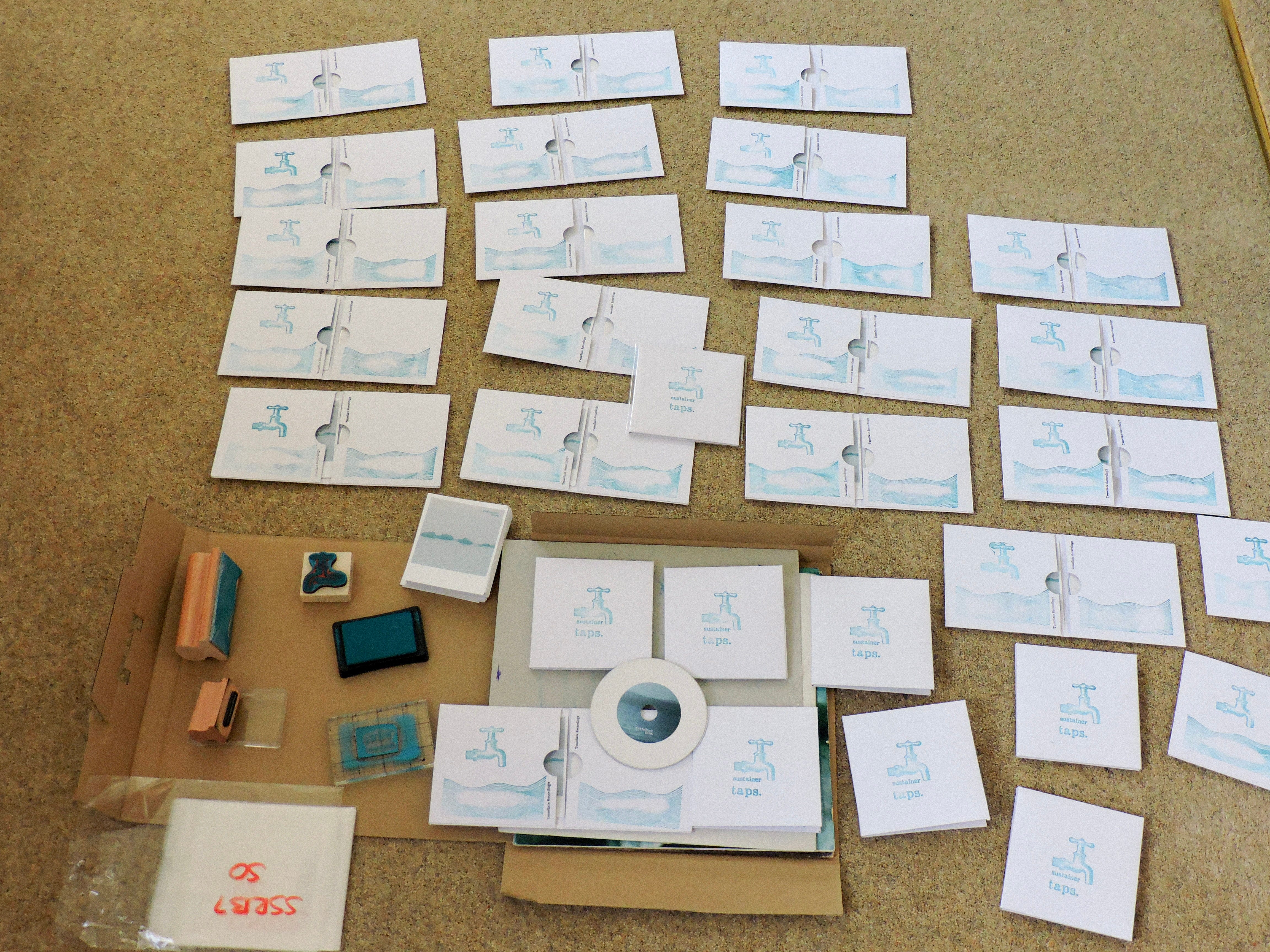
Firstly, I started Tessellate Recordings, focusing on limited edition handmade CDrs like the ones you can see above. This broke away from Audio Gourmet, with the aim to sell enough copies to make the next one. I quickly realised how hard it was to run a label, and I probably have more tales of the mistakes I made than what went well. Looking back I had absolutely no clue about branding, marketing, managing cash flow and the list goes on. I lost quite a few great demos which went out on other labels, because I was too slow, too indecisive and clearly, a little out of my depth.
Then I launched a digital label called Warehouse Decay focusing on Deep House and Techno, as a nostalgic crack at rekindling my DJing days. This time, I had a clear identity for the label, with design and imagery inspired by abandoned buildings and minimal, brutalist architecture. But, I had no audience, no contacts and no way to attract artists. Some of my Ambient friends helped me out for a while by making some beat-based music, but in the end I got tired of trying to get it off the ground. It felt like I was just shouting into the void.
In November 2016, I had an idea to recreate the white label bootleg format I’d often buy at record shops when I was a DJ. But, using blank vinyl-effect CDr media. Whitelabrecs started life as a series of highly limited edition mini 45s, each with rubber stamped labels, a Polaroid cover insert and all housed inside a card sleeeve. The rest is history, as this at last became the thing in music that I’ve stuck at for the long haul!
GROWTH
From 2016 to 2022, Whitelabrecs plodded along. That’s not to say I wasn’t all-in with it - I spent an awful lot of time working on the schedule, shipping orders and I would often look at shiny new things…be it merch, special editions or a new spreadsheet. By the beginning of 2023 we’d just moved into a new home and I knew I would be very busy with DIY, gardening, decorating and the likes. So that January I told myself, “I’m going to just let the label tick over and do the minimum. Very little social media, no new projects or ideas. Don’t be online too much chatting to people. Cool it for a year, and just do what’s needed.”
It may come as no surprise, that this approach did not result in any growth, and the orders started to decline. By the summer, CD sales were really spluttering and things started to feel like they were grinding to a halt. Add to this, the UK leaving the EU resulted in some painful customs challenges that no doubt resulted in a few loyal fans ceasing to collect Whitelabrecs CDs.
I decided that 2024 should be the opposite of 2023, and that I’d put in a big effort to protect the label I loved so much, to keep it all going. I’ve always seen the catalogue as a legacy and I’m immensely proud of it, and as it came under a bit of threat I realised just how ‘in it for the long haul’ I was. This was very much a new feeling for me, as I’ve always tended to gravitate to new ideas or big changes, rolling over under the strain of any adversity to whatever the next thing might be. What was needed to move forward and ‘save’ Whitelabrecs was for me to double down, and review all the small details and, to actually spend some time learning.
I was up for the challenge and ready to make changes, try new things, make compromises and some hard decisions.
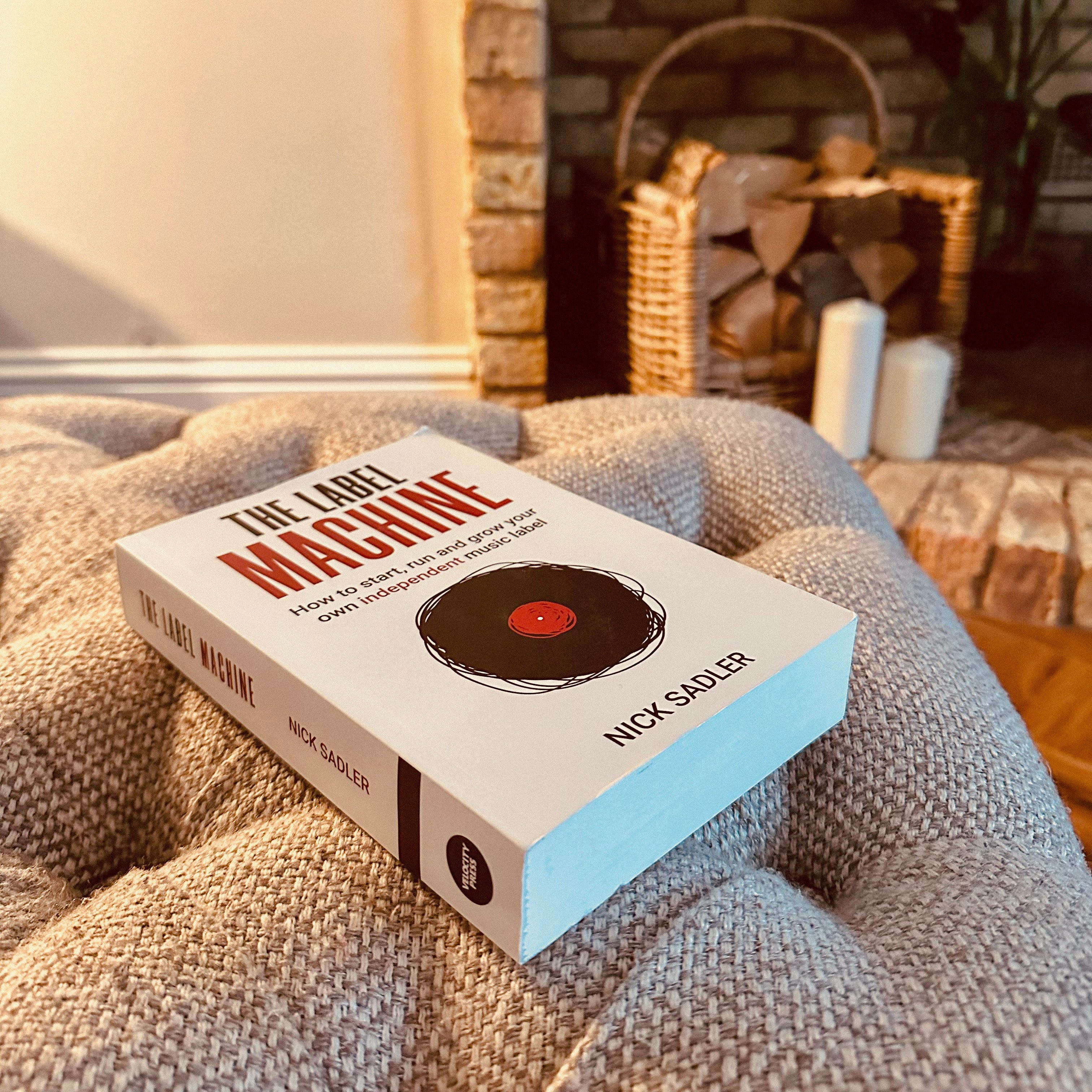
In December 2023 over the festive break, I had started to read a book by Nick Sadler who owns The Label Machine. Whilst not all of it applied directly to what I was doing with Whitelabrecs, I got an awful lot from it - most importantly, a keenness to learn and an enthusiasm to really transform things. I realised that I’d approached running the label for years, with no clue on how things like business, marketing and branding actually work. This is of course understandable, because after all - it’s a hobby and a labour of love. It’s supposed to be fun, and I’d always seen the business side to be the opposite of that. But The Label Machine, and my subsequent learning through other places like Other Record Labels and Pat Flynn’s Superfans book, all taught me that the fundamentals often made so much sense - and since my label had been regressing, these things were becoming essential.
Bit by bit, I rebuilt the foundations for Whitelabrecs all over again in what was a pretty big transformation. I changed the website, integrating an email newsletter encouraging subscribers to join in exchange for a free album. I started sharing weekly blog posts, sharing more behind the scenes from both the artists and the label and making lots of small tweaks to how I went about things. During any downtime, I was relentlessly searching YouTube and joing webinars, to learn things from wherever I could find free advice. I digested and reflected on all I’d learnt from others and started to put some things into practice.
The next big thing was the decision to ‘step forward’. I’d often referred to Whitelabrecs as ‘we’ rather than ‘I’ - this was so that I didn’t place myself at the centre, as that had always felt a little egotistical. But I came to realise that in reality, when people discovered the label it felt cold. The lights were on, but it seemed that nobody was there. Of course, the music was and always will be the main attraction, but I realised that in order for personal connections and community to develop, I needed to step forward - I needed to be visible, and to give more of myself. My emails are now more personal, I’ve been going on camera for some social media posts, and I’ve become more comfortable sharing my own stories as part of the wider ecosystem of the label, as I now understand why this might matter. Hence, this post!
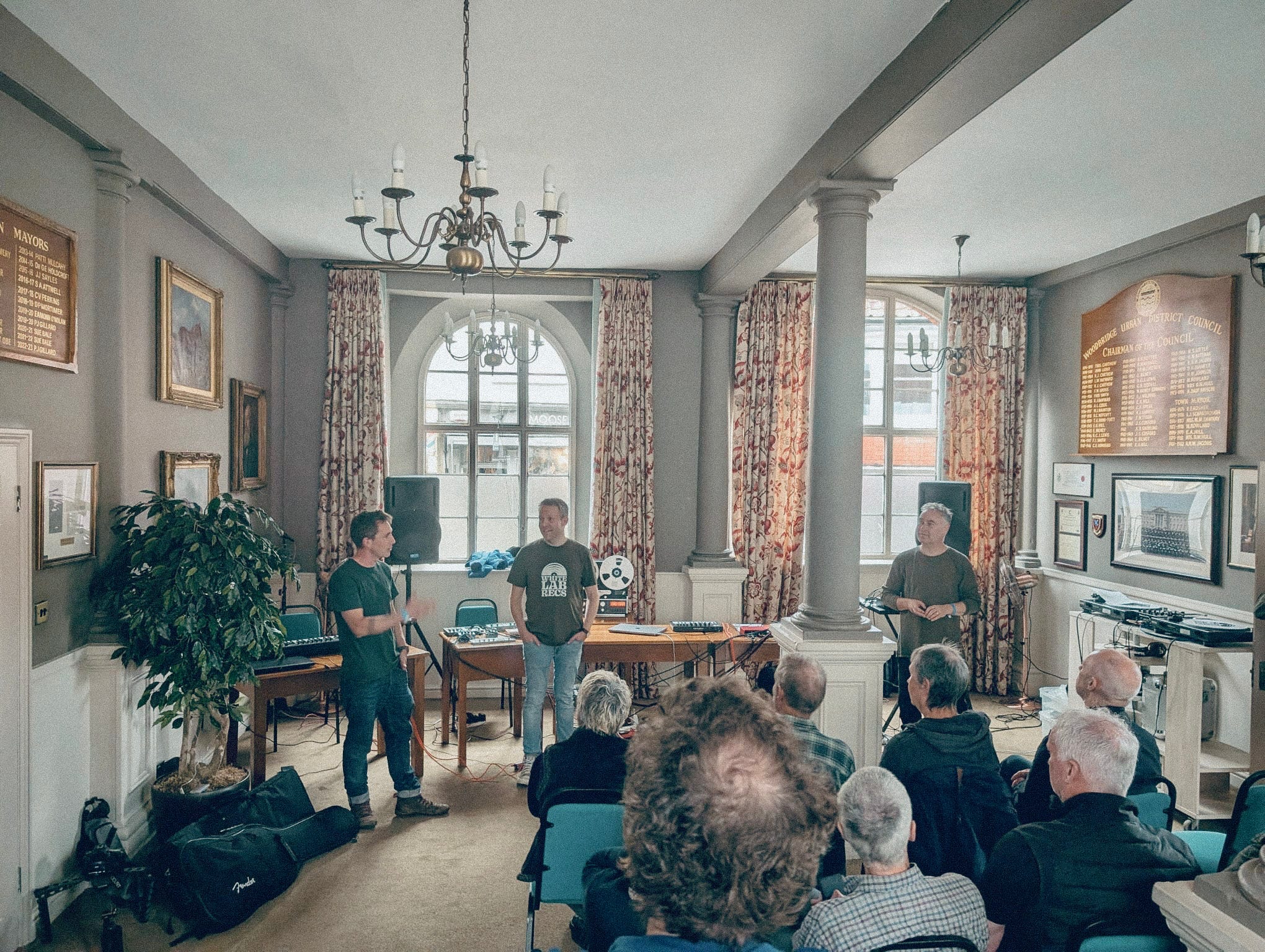
But building a community alone is not easy and, far less fun… After some conversations with an artist I worked with (Andrew Heath, who was designing CD sleeves for me), he started up a sister label called Driftworks. Together, we also launched our community Inner Echo and shortly after, Elm Records and Evergreen Music joined us. We started to host our own events here in the UK and a film captured by Elm’s James Osland at the Woodbridge Ambient festival went viral. Suddenly, I was not alone in the challenges I faced, and, I’ve enjoyed helping people now I have plenty of hindsight to share. And where none of us have the answer, we’ll share our experiences - often in our WhatsApp chat but also in our Inner Echo community so that artists and fellow labels can see.
And from here, the next big step is Substack!
This is now the place where Whitelabrecs as a label, my passion for music, vinyl and helping people, all come together.
The history of WLR is fascinating. I've had a kind of same path of life - without creating a music label. WLR is such an ambient music refreshing on Substack. Always like every news from WLR. Keep on!
What a set of adventures!